AI found an answer. See how.
See how AI helped answer questions in mathematics, engineering and history. Try a step yourself, then follow it into the original evidence.
The Erdős unit-distance problem
Same dots. More links?
Connect any two dots exactly one unit apart. Tilt the grid to see if the dashed diagonal can become a link.
24 links. The dashed diagonal is 1.414 units long, so it doesn’t count.
See how the model went beyond the gridExplore the discoveries
Pick a question and work through the clue or calculation that changed the answer.
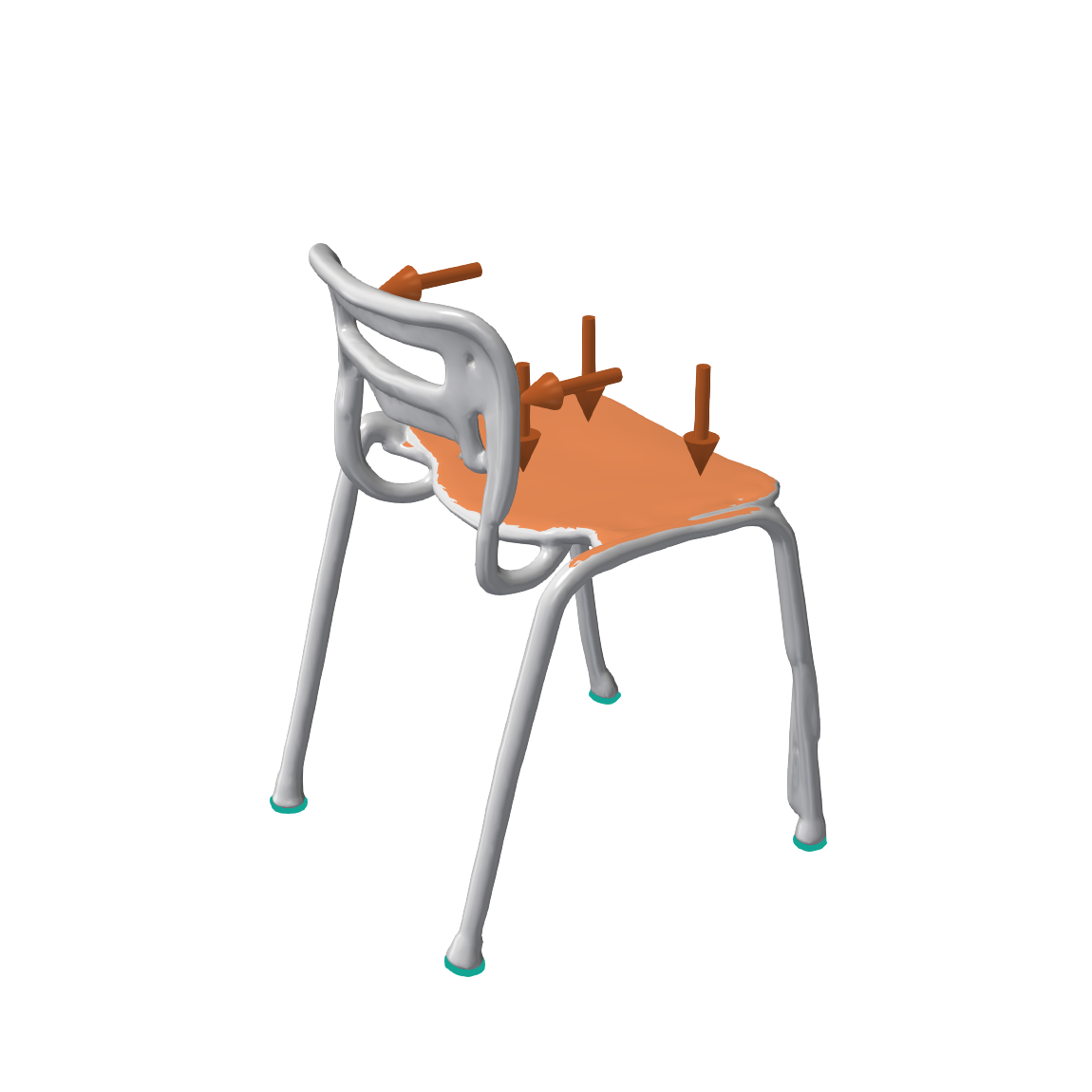
Where should the material go?
Make a beam bend less with the same amount of metal. Then see what a second simulation revealed about an AI-assisted chair design.
Move the metal ↗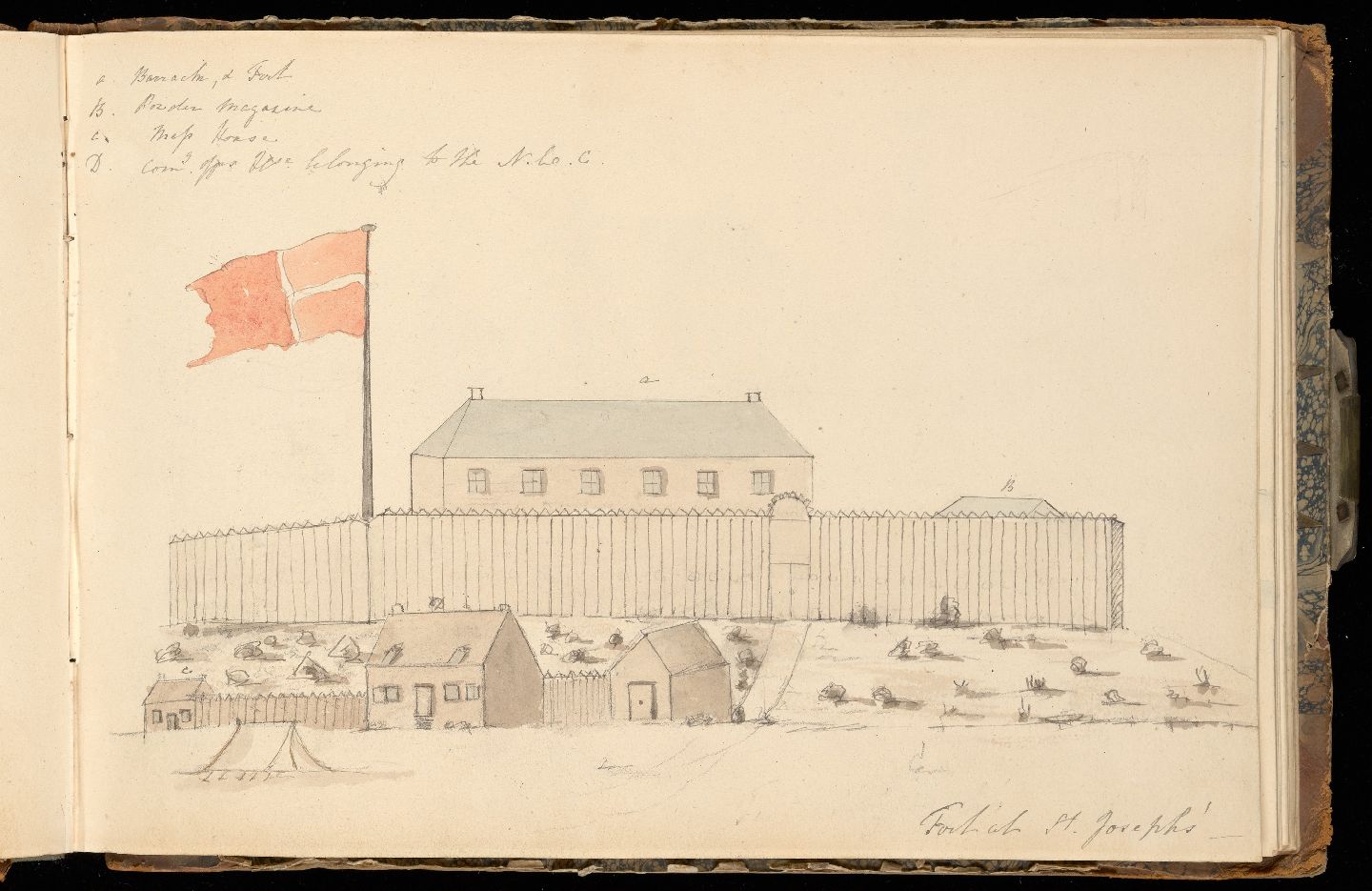
Who drew this fort?
An unsigned drawing, a letter from the fort and one line in a travel journal. Put the records side by side and see how they point to an artist.
Compare the clues ↗How far can the primes stray?
Prime numbers arrive in bursts. Count them in two equal stretches, then see how a line in another equation puts a limit on the irregularity.
Count the primes ↗How to beat the grid
An AI model disproved Erdős’s prediction about pairs of points one unit apart. The move that broke it came from number theory.
Make more one-unit links ↗A new speed limit for multiplication
Take one cell of a matrix product apart in 3D. Then see how researchers found a way to multiply giant grids with fewer operations.
Explore the 3D stack ↗The worst shape to pack
Slide the same circles to fill more of a sheet. Then compare shapes whose best arrangements still leave gaps.
Rearrange the circles ↗A place to follow the reasoning
Jack Clark imagined buildings you could walk through to understand things machines had discovered. Here you can make a prediction, test it, and follow the same idea into the original work.
 Built by Aptifold